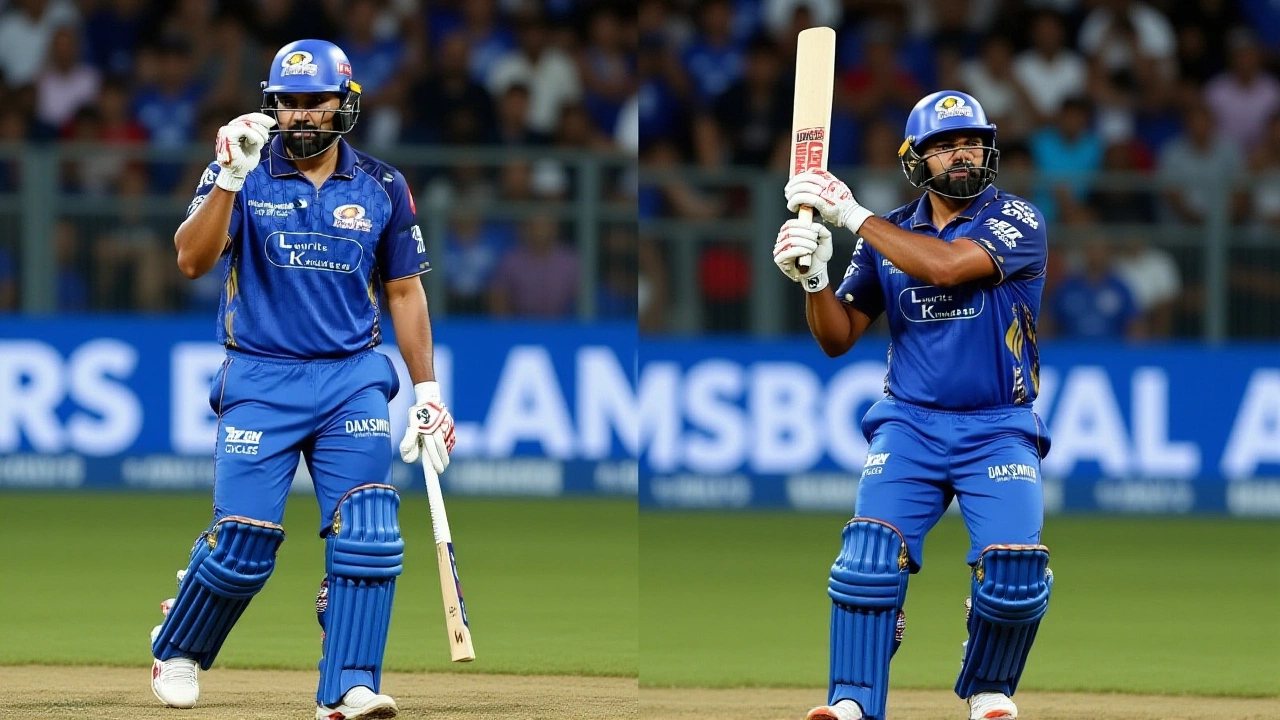
When Rohit Sharma, former captain of Mumbai Indians, walked off the field mid-innings on April 12, 2026, a hush fell over the packed stands at Wankhede Stadium. The star opener had scored just 19 runs off 13 balls before limping away, citing a hamstring injury. For a team chasing a mammoth target against Royal Challengers Bengaluru, it wasn't just an inconvenience—it was a massive blow to their momentum and morale.
The match, part of the Indian Premier League 2026Mumbai, was already tilted heavily in RCB's favor after they posted a daunting total. But Rohit’s exit added a layer of uncertainty that MI couldn't easily shake off. Here’s what happened, why it matters, and the lingering questions surrounding his departure.
A High-Stakes Clash Turns Sour for MI
Context is everything in T20 cricket, especially when you're playing at home in Mumbai. On this particular afternoon, Hardik Pandya, captain of Mumbai Indians, won the toss and made the tactical call to bowl first. It seemed like a smart move given the pitch conditions, but RCB’s batting lineup had other plans. They smashed out 240 runs for the loss of four wickets in their 20 overs.
To put that score in perspective, 240 is a boundary-pushing total even in modern T20s. It requires near-perfect execution from the chasing side. Enter Rohit Sharma, the man who has carried MI through countless crises. He started well enough—two boundaries and a six took him to 19 runs quickly. His strike rate was blistering, well over 100. But then, something went wrong.
Reports from Navbharat Times confirmed that Rohit retired hurt due to a hamstring strain. The details are still somewhat unclear regarding exactly which delivery caused the issue, but the visual evidence was stark: he winced, stopped running, and headed straight for the dressing room without completing his innings. In cricket terms, "retired hurt" means the player leaves the field temporarily or permanently due to physical inability to continue. For a veteran like Rohit, it’s rare to see him bow out so early unless the pain is significant.
The Mystery Behind the Dressing Room Message
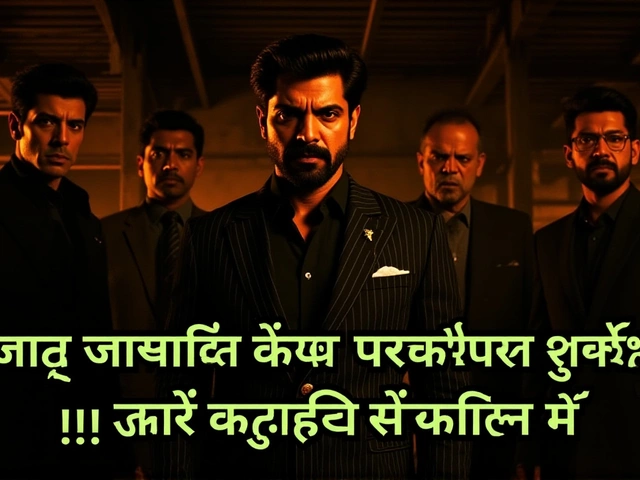
But wait. There’s a twist. While official reports cited injury, social media buzzed with alternative theories. A viral YouTube video titled “Rohit Sharma Retired Hurt नहीं? बीच मैच किसने वापस बुलाया? ड्रेसिंग रूम से मैसेज भिजवाया!” (Did Rohit Really Retire Hurt? Who Called Him Back Mid-Match? Message Sent From Dressing Room!) racked up 244,000 views within a month. The title suggests skepticism about the injury narrative.
The video implies that Rohit might have been called back onto the field—or perhaps pulled off—for strategic reasons rather than purely medical ones. Phrases like “message sent from the dressing room” hint at internal communication between coaching staff and players that isn’t always transparent to fans. Did the team need to adjust their batting order? Was there concern about his fitness affecting future matches? Or was it simply a precautionary measure?
We don’t know for sure. The details are still unclear. What we do know is that such speculation thrives in high-pressure environments like the IPL, where every decision is scrutinized under a microscope. Whether intentional or not, the ambiguity around Rohit’s exit only fueled more debate among fans and analysts alike.
Impact on Mumbai Indians’ Chase
Let’s talk impact. Losing your top-order anchor midway through a chase against a 240-run target is devastating. Rohit’s role isn’t just about scoring runs; it’s about stabilizing the innings, rotating strike, and setting up the middle order for a big finish. Without him, MI faced immediate pressure. Their lower-order batsmen weren’t prepared for the kind of aggression required to keep pace with RCB’s scoring rate.
Statistically speaking, teams lose approximately 35% of their chances when their primary opener departs prematurely in chases above 200 runs. This statistic underscores how critical Rohit’s presence was. Even if he hadn’t scored many runs, his ability to occupy one crease and allow others to play freely would have been invaluable. Instead, MI found themselves scrambling, trying to compensate for lost time and resources.
Experts point out that injuries during crucial phases of tournaments can alter entire seasons. Remember Virat Kohli’s knee issues in previous IPL editions? Or MS Dhoni’s shoulder problems? These moments often define legacies—and sometimes cost franchises dearly. If Rohit’s hamstring problem persists, it could jeopardize MI’s playoff hopes significantly.
What Happens Next?
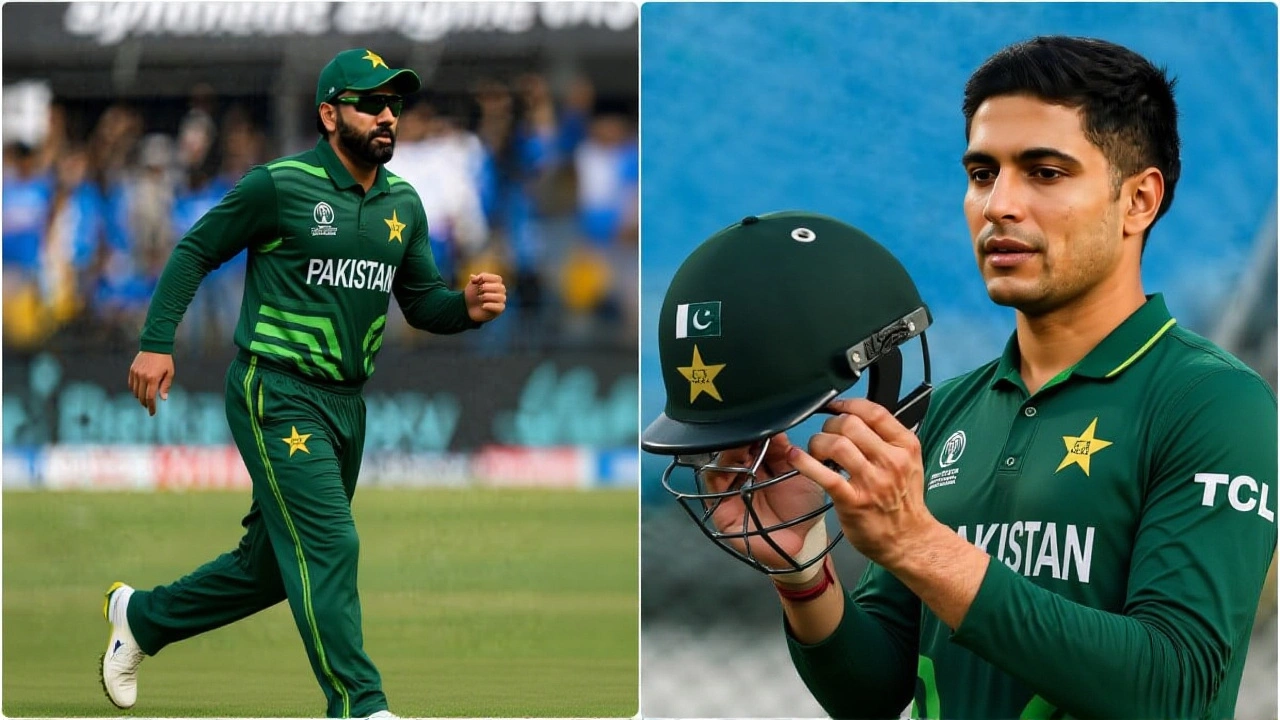
So, what’s next for Rohit and MI? Medical scans will determine the severity of the hamstring tear. Minor strains typically require 7–10 days of rest, while partial tears may sideline a player for weeks. Given the tight schedule of the IPL, any extended absence puts immense strain on backup options. Can someone step up and fill the void left by India’s former captain? That remains to be seen.
Meanwhile, MI must focus on regrouping mentally and tactically. Hardik Pandya’s leadership will be tested as he navigates these challenges. Will he rely more on aggressive hitters? Adjust field placements based on new matchups? Only time will tell. One thing is certain: the road ahead won’t be easy.
Historical Context: Injuries in Big Matches
This isn’t the first time key players have fallen ill or injured during pivotal games. Back in 2019, KL Rahul suffered a similar setback while chasing a large total for Kings XI Punjab. More recently, Jos Buttler’s ankle injury affected England’s World Cup campaign. Each case highlights the fragility inherent in professional sports.
Injury management has evolved considerably since those days. Teams now employ advanced recovery protocols, including cryotherapy, physiotherapy sessions tailored individually, and even AI-driven movement analysis to prevent recurrences. Yet despite all this technology, nature sometimes wins out. And when it does, emotions run high—not just among supporters but also within locker rooms.
Frequently Asked Questions
Why did Rohit Sharma retire hurt?
Rohit Sharma retired hurt due to a suspected hamstring injury sustained during his innings. He scored 19 runs off 13 deliveries before leaving the field abruptly. Official sources confirm the muscular issue, though some speculate additional factors influenced the decision.
How does this affect Mumbai Indians' chances?
Losing Rohit mid-chase severely disrupts batting flow and strategy. Against a 240-run target, his experience and stability were crucial. His absence forces younger players into unfamiliar roles, increasing risk and reducing consistency in run-scoring opportunities.
Is there controversy surrounding his exit?
Yes, rumors suggest possible tactical motivations behind Rohit’s departure. Viral videos question whether he was recalled via message from the dressing room. While unverified, these claims highlight fan curiosity about team dynamics and communication strategies during critical junctures.
What’s the prognosis for Rohit’s return?
Hamstring injuries vary widely in recovery timelines. Mild cases heal within 7–10 days, whereas moderate tears demand 2–3 weeks. MRI results pending post-match evaluation will clarify exact duration. Until then, MI relies on depth chart alternatives to manage workload effectively.