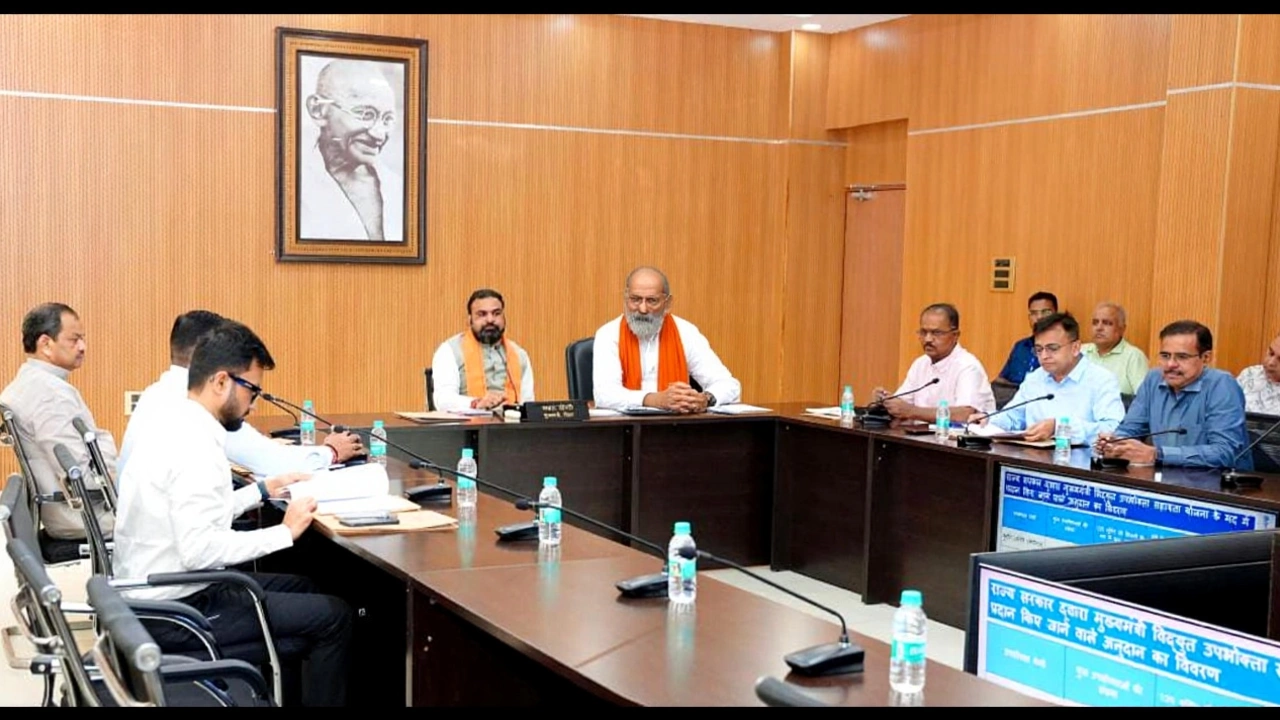
When Nitish Kumar, the Chief Minister of Bihar, unveiled two sweeping clean energy policies at Gyan Bhawan in Patna in July 2025, it wasn't just another bureaucratic announcement. It was a signal flare to global investors: Bihar is ready to power its future with green energy. The state government launched the Bihar Policy of New and Renewable Energy Sources 2025Patna alongside the Bihar Policy for Pumped Storage Project 2025Patna. Together, these frameworks aim to attract an staggering ₹1.5 lakh crore (approximately $18 billion) in investment and create over 50,000 jobs by the end of the decade.
Here’s the thing: Bihar has historically been seen as a consumer of power, not a producer. But this new strategy flips that script entirely. The state isn’t just looking to install solar panels; it’s building a comprehensive ecosystem that includes wind, biomass, green hydrogen, and crucially, large-scale energy storage. This move aligns perfectly with India’s national ambition to reach 500 gigawatts of renewable capacity by 2030, but it also addresses a very local need—reliable, affordable electricity for millions of households and industries.
A Massive Leap in Capacity Targets
The numbers behind the Bihar Renewable Energy Policy 2025 are ambitious, bordering on aggressive. By the financial year 2029–30, the state aims to achieve a total renewable energy capacity of 23,968 megawatts (MW). That’s a huge jump from current levels. To put that in perspective, the policy breaks this down into specific segments: 21,653 MW for utility-scale projects, 1,975 MW for distributed renewable energy (like rooftop systems), and 340 MW for off-grid solutions in remote areas.
But generation alone doesn’t solve the problem of intermittency. Solar doesn’t shine at night, and wind doesn’t always blow. That’s where the second policy comes in. The state is targeting 6.1 gigawatt-hours (GWh) of energy storage capacity. This focus on storage is critical. It means Bihar isn’t just adding more power to the grid; it’s making sure that power is available when people actually need it. The inclusion of pumped hydro storage, battery systems, and even geothermal options shows a sophisticated understanding of modern grid needs.
Incentives That Actually Matter to Investors
Let’s be honest: investors care about returns. And Bihar seems to know this. The twin policies come with a hefty package of fiscal incentives designed to lower the cost of doing business. Here’s what caught our eye:
- Electricity Duty Waiver: A 100% waiver on electricity duty for 15 years. That’s a long-term guarantee that stabilizes revenue projections.
- Tax Reimbursement: Full reimbursement of State Goods and Services Tax (SGST) for eligible investments.
- Open Access: Projects get 25-year open access rights, allowing them to sell power directly to consumers or other states without navigating complex regulatory hurdles every few years.
- Cost Reductions: Exemptions from transmission and wheeling charges, plus waivers on stamp duty and registration fees. There’s even a 5-year customs duty exemption on imported equipment.
These aren’t just minor tweaks. They represent a structural shift in how the state interacts with private capital. By removing hidden costs and providing long-term certainty, Bihar is trying to compete with established renewable hubs like Gujarat and Rajasthan. The goal? To become a top-10 green energy state in India by 2030.
Who Is Leading the Charge?
You can’t execute a plan like this without strong institutional backing. Enter Bihar Renewable Energy Development Agency (BREDA). Often described as one of the premier organizations for renewable development in the state, BREDA will play a central role in implementing these policies. But they aren’t working alone.
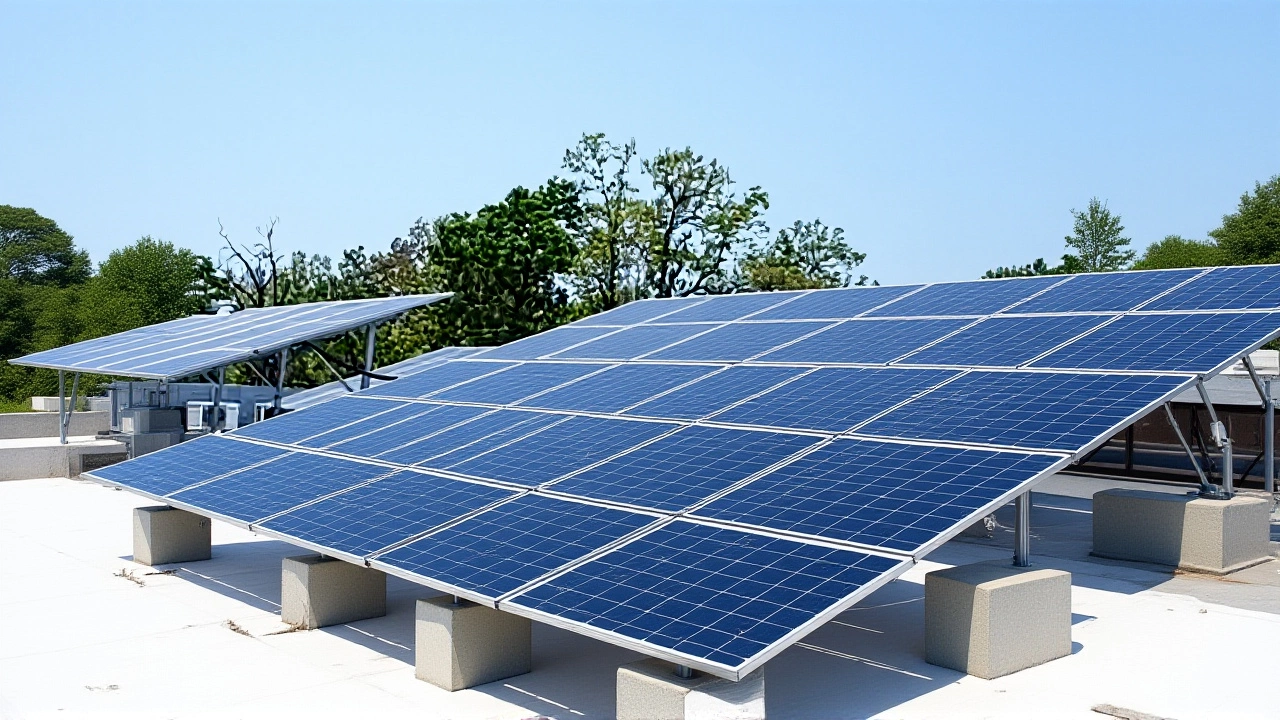
One notable collaboration highlights the private sector’s interest. Avaada Group, a major player in the Indian renewable space, has already partnered with BREDA to develop 1 gigawatt of ground-mounted solar capacity. This deal serves as a proof-of-concept, showing that big players are willing to bet on Bihar’s new framework. It’s a smart move for Avaada, securing land and regulatory support early, and a win for Bihar, bringing immediate capacity online.
Beyond Solar: A Diversified Mix
While solar gets most of the headlines, the policy explicitly encourages technological diversity. We’re talking about agrivoltaics—where farmers can grow crops under solar panels—and canal-top solar projects, which utilize Bihar’s extensive water infrastructure without taking up additional land. There’s also a nod to green hydrogen and biomass, sectors that are still emerging but have huge potential given Bihar’s agricultural base.
This diversification is key to resilience. Relying solely on solar leaves the grid vulnerable to monsoon clouds or dust storms. By mixing in wind, hydro, and storage, Bihar is building a grid that can withstand fluctuations. It’s a mature approach, one that many developing regions overlook in their rush to deploy cheap solar panels.
What’s Next for Bihar’s Green Transition?
The launch in July 2025 is just the beginning. The real test will be in implementation. Can the state bureaucracy keep up with the pace of investment? Will land acquisition issues slow down project timelines? These are the questions that will determine whether Bihar hits its 2029–30 targets.
Currently, renewables meet only 23% of Bihar’s peak power demand. Closing that gap requires not just new plants, but upgraded grid infrastructure. The policy mentions grid upgrades, but the details are still evolving. What’s clear is that the state is committed. With ₹1.5 lakh crore in projected investment and tens of thousands of jobs on the line, the stakes couldn’t be higher. If executed well, Bihar could transform from a power-deficit state into a green energy powerhouse, offering a model for other eastern Indian states to follow.
Frequently Asked Questions
What are the main goals of the Bihar Renewable Energy Policy 2025?
The primary goals are to achieve 23,968 MW of renewable energy capacity and 6.1 GWh of storage by 2029–30. It also aims to attract ₹1.5 lakh crore in investment and create over 50,000 jobs, positioning Bihar as a top-10 green energy state in India.
How does the Pumped Storage Policy support renewable energy?
Pumped storage acts as a giant battery, storing excess energy generated during peak solar or wind periods and releasing it when demand is high or generation is low. This ensures grid stability and allows for round-the-clock clean power availability, complementing variable sources like solar and wind.
What financial incentives are offered to investors?
Investors receive a 100% waiver on electricity duty for 15 years, full SGST reimbursement, exemptions from transmission and wheeling charges, and waivers on stamp duty and registration fees. There is also a 5-year customs duty exemption on imported equipment.
Is there a specific plan for rooftop solar on Kutir Jyoti homes?
Current policy documents do not specify a directive to install solar panels on 10 lakh Kutir Jyoti households. Instead, the focus is on broader rooftop solar promotion, utility-scale solar parks, and grid upgrades. Specific household schemes may be announced separately.
Which companies are already involved in Bihar's green energy push?
Avaada Group has partnered with the Bihar Renewable Energy Development Agency (BREDA) to develop 1 GW of ground-mounted solar capacity. This collaboration signals strong private sector confidence in the new policy framework.